Depth limits by RAID level
These are the limits listed on our training pages:
Depth limits by RAID level
| Level | Maximum depth |
|---|---|
| Pool (confined) training | 5 m |
| Try Dive, ocean | 12 m, with an instructor |
| Open Water, training dives 1 and 2 | 12 m |
| Open Water, training dives 3 and 4 | 18 m |
| Open Water certified | 18 m |
| Junior Open Water (ages 10 to 14) | 18 m, with a certified adult buddy |
| Explorer 30 | 30 m |
| Junior Explorer (ages 12 to 14) | 21 m |
| Advanced 35 | 35 m |
| Deep 40 | 40 m |
Certified limits apply to diving with a buddy or group in conditions similar to or better than your training. See the full course details on our training page.
Why beginners have depth limits
Depth changes several things at once:
- Your air goes faster. At 10 m the pressure is double what it is at the surface, so each breath uses more air. At 20 m it's three times.
- Your no-decompression time gets shorter. The deeper you go, the less time you can stay before you'd need decompression stops.
- Nitrogen narcosis can kick in. At depth, nitrogen can cloud your judgement, a bit like having a drink. Most divers start to notice it somewhere past 30 m, though it varies.
- Problems are harder to fix. It's a longer way up to the surface, and a controlled ascent takes time.
Shallow limits give beginners room to learn buoyancy, air management and buddy skills without those added pressures.
Is shallow diving boring?
Not here. Some of our favourite dives are shallow:
- Walls: the bottom is around 16 m, with high walls rising to about 7 m. On 28 October 2026 our max depth was 16.7 m.
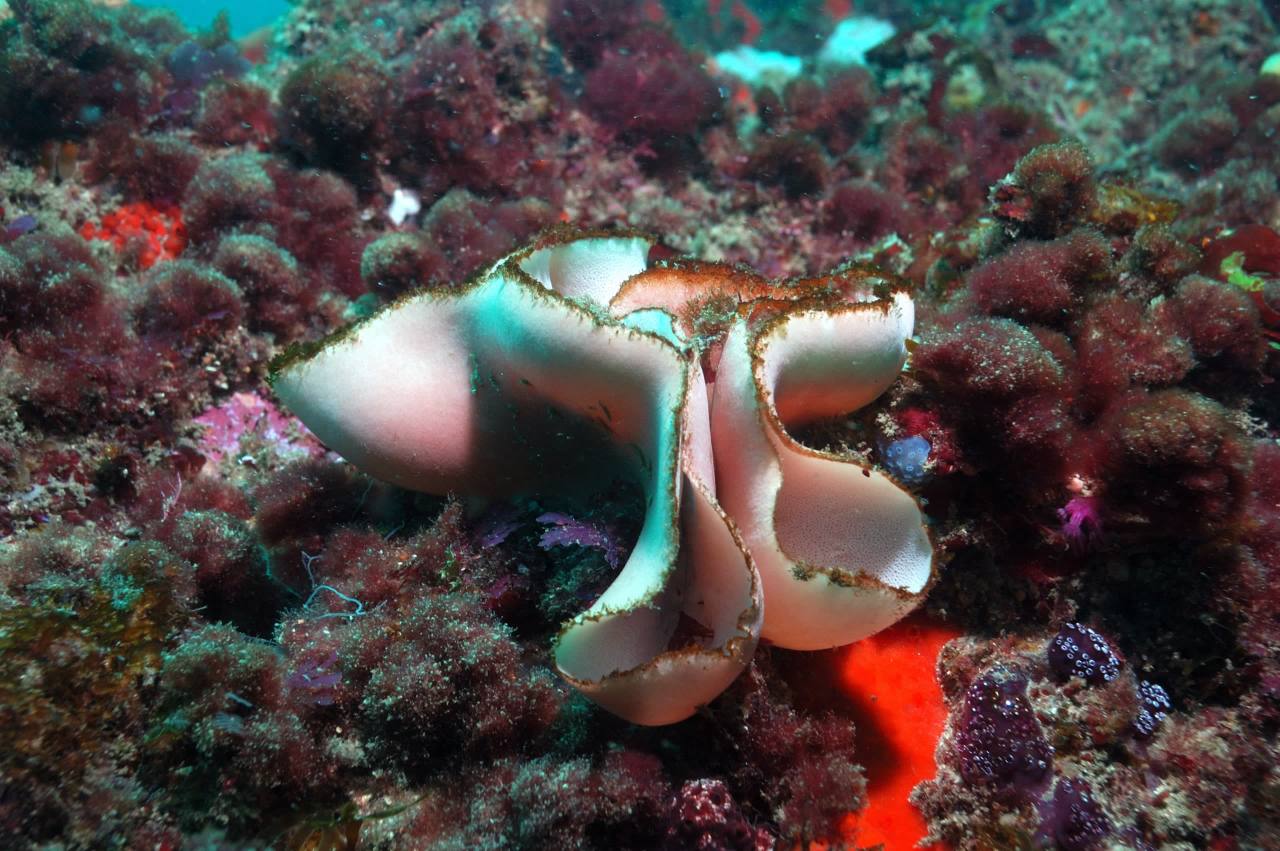
- Discovery Channel: only about 12 m deep, with lots of light for photos, red bait, anemones, nudibranchs, corals and sponges.
- Liza's Raggie: 7 to 10 m, with gullies, sea grass and juvenile raggies.
- Raggies Rest: about 14 m, with raggies resting in the gullies.
Shallower water also means more light and colour, and your air lasts longer, so your dive is longer.
When should you go deeper?
Only when you're ready and trained for it. Signs you might be ready for Explorer 30 or Advanced 35:
- your buoyancy is steady and you're not constantly adjusting,
- you're calm and aware of your air and your buddy, and
- you've logged a good number of dives. Advanced 35 and Deep 40 require at least 8 hours logged underwater.
Deeper courses require a dive computer (ours or yours). Deeper sites near us include Moonrock Reef (average about 25 m), Seal Point (down to 28 m), Pramberg Reef (35 to 37 m), and Shark Point Pinnacle, which starts at 28 m and drops to 47 m. That's well beyond recreational beginner territory.
A word on "just a little deeper"
It's tempting to follow a fish down a few extra metres. Don't. Depth limits only work if you stick to them. Your guide will set a maximum for each dive based on the group's certification and the conditions.
Learn at the right depth
Whether you're taking your first breaths in the pool or ready for 30 m, we'll match the dive to your level. WhatsApp or call Paul on 083 521 5093, or read more about the RAID Open Water course.