Why diving can feel closed-in at first
The ocean itself is wide open. What can feel tight is the equipment:
- The mask covers your nose, so you can only breathe through your mouth.
- The wetsuit is snug, especially around the chest and neck.
- The regulator feels unfamiliar until you trust it.
- Limited visibility on some days means you can't see far.
- Being underwater can feel strange when you know the surface is above you.
These are all normal reactions, and most of them fade within one or two sessions.
How we help you get comfortable
Start in the pool
All our beginners start in confined water, with a maximum depth of 5 m on a pool Try Dive. You can begin by standing in the shallow end, putting your face in the water and just breathing. There's no rush.
Practise breathing first
Slow, deep, relaxed breathing is the key to everything in diving. Once you trust that the regulator gives you air every time you breathe in, most of the closed-in feeling goes away.
Get used to the mask
Some people feel uneasy with the mask over their nose. Practising with a mask and snorkel at the surface first, then underwater, helps a lot. You'll also learn to clear water from your mask, which builds confidence.
Get the wetsuit fit right
A wetsuit should be snug but not choking. If the neck feels too tight, tell us. Comfort helps you relax.
You control the pace
You can stop, surface or end the session at any time. Knowing you're in control is often enough to make the anxiety fade.
What about the ocean?
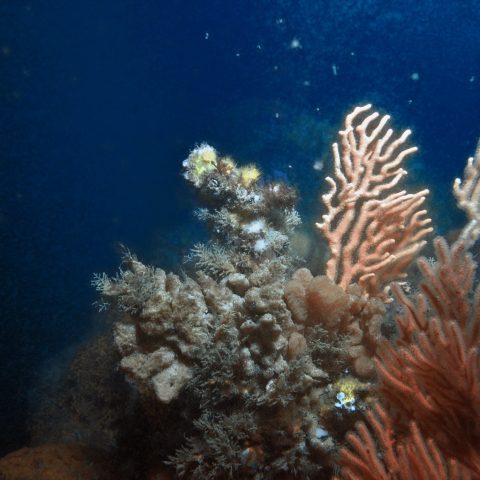
Our reefs off Jeffreys Bay are open, with walls and wide sandy gullies. At Jagged Edge, for example, the gullies are up to 30 m wide. Recreational diving doesn't involve squeezing into caves or wrecks, and you'll always have open water above you.
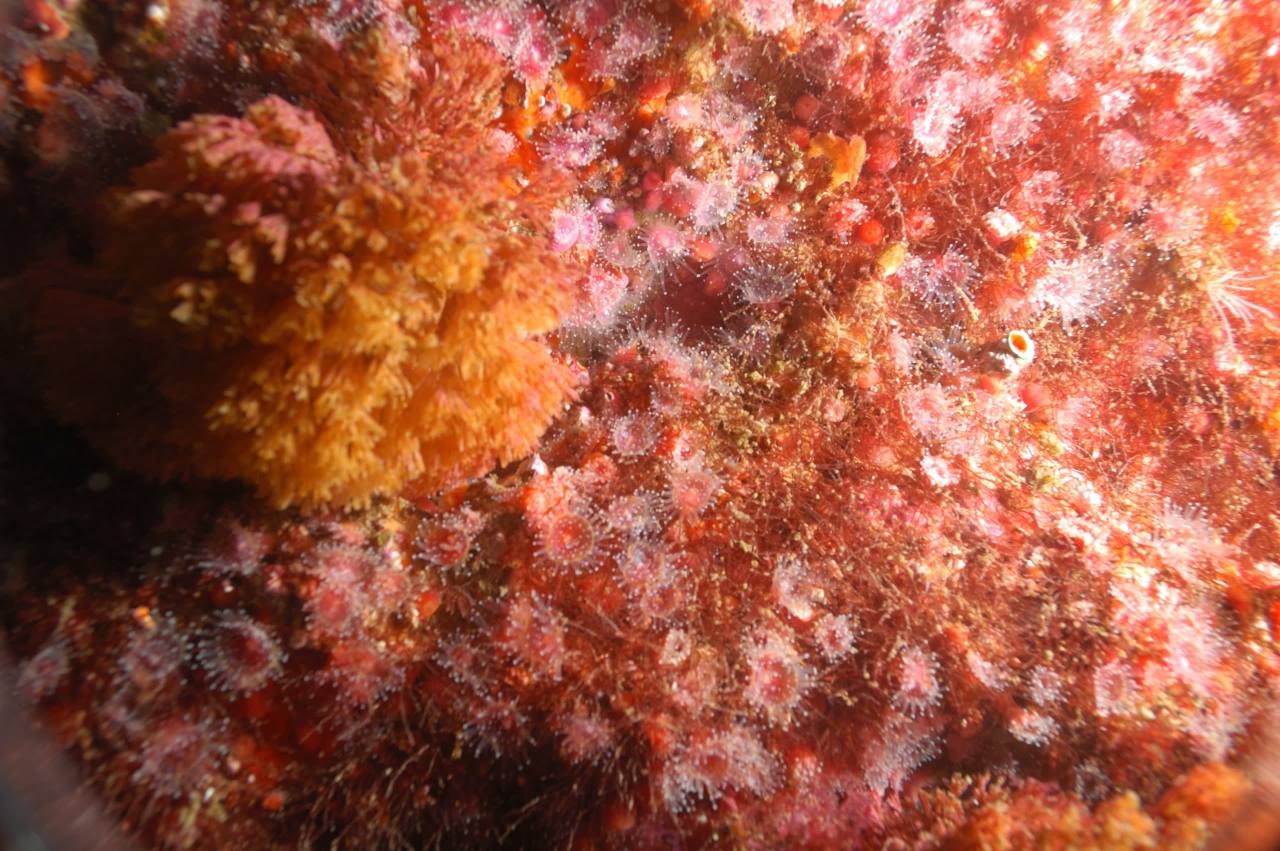
Visibility varies with the conditions. On good days we've had 10 m or more, and sometimes top-to-bottom visibility. We choose launch days carefully, and for nervous divers we pick a shallow, bright reef like Discovery Channel, which is only about 12 m deep.
Tips if you're prone to claustrophobia
- Tell your instructor beforehand. We'll plan around it.
- Focus on your breathing. Count slowly in and out.
- Look outward. Focus on the space around you, the fish and the reef, rather than the mask.
- Stay shallow at first. Light and colour help you feel more open.
- Use your signals. If you want to stop, signal and we'll sort it out.
- Don't hold your breath. Ever.
Is it ever not a good idea?
If you have severe claustrophobia, panic disorder or a history of panic attacks, please discuss it with a doctor, ideally one familiar with dive medicine, before you dive. The RAID medical questionnaire you complete before any in-water session asks about relevant conditions, and some answers will need a doctor's sign-off. Be honest. It's for your safety.
The pay-off
Many people who were nervous at the start end up describing diving as the most peaceful thing they've ever done: weightless, quiet and slow. With the right pace and support, the feeling of being closed in often turns into one of total freedom.
Try it gently
A pool-only Try Dive is the gentlest way to see how you feel. WhatsApp or call Paul on 083 521 5093 to talk it through, or book a Try Dive in our shop.